

A forward-thinking, decision-ready guide for modern users and professional environments
Introduction: Why Multi-Device Wireless Charging Matters
The modern digital environment is defined by device proliferation. Smartphones, wireless earbuds, smartwatches, tablets, and secondary phones are no longer optional accessories but essential tools that support productivity, communication, and daily operations. As the number of devices increases, so too does the complexity of managing power.
Traditional cable-based charging solutions introduce inefficiency, visual clutter, and friction. Multiple adapters, tangled leads, and limited power outlets create unnecessary operational overhead, particularly in home offices, educational settings, and professional workspaces. In response, wireless charging pads designed for multiple devices have become a strategic solution rather than a lifestyle novelty.
A multi-device wireless charging pad consolidates power delivery into a single, streamlined platform. When selected correctly, it improves workflow continuity, enhances workspace aesthetics, and supports long-term device health. However, the market is crowded with products that vary widely in quality, performance, and safety. Choosing the right solution requires a structured, informed approach.
This guide provides a comprehensive framework to help you select a wireless charging pad for multiple devices, ensuring alignment with your technical requirements, usage patterns, and long-term value expectations.
Start With Your Device Ecosystem
The most critical step in choosing a wireless charging pad is understanding the ecosystem it needs to support. Wireless chargers are not universally interchangeable in performance, even when they appear visually similar. The number of devices, their types, and how they are used daily will directly influence which charging pad delivers the best return on investment.
Some users require simultaneous charging for two smartphones, while others may need a combination of a phone, smartwatch, and wireless earbuds. In professional or shared environments, the requirement may extend to multiple phones used interchangeably throughout the day. The charging pad must be capable of handling these demands without performance degradation.
It is also important to consider whether the devices belong to a single ecosystem or a mixed environment. Users operating across different platforms need a charger that prioritises broad compatibility rather than proprietary optimisation. Clarifying these requirements early ensures that the chosen charging pad supports real-world usage rather than theoretical capability.
Wireless Charging Standards and Compatibility
At the foundation of any reliable wireless charging solution is adherence to established industry standards. The Qi wireless charging standard is the global benchmark and should be treated as a baseline requirement rather than an optional feature. Qi certification ensures that the charging pad meets safety, efficiency, and interoperability standards recognised across major device manufacturers.
A Qi-certified charging pad is designed to work seamlessly with the majority of modern smartphones and Qi-enabled accessories. This reduces the risk of overheating, inconsistent charging speeds, and long-term battery degradation. Non-certified alternatives may function initially but often fail to deliver stable performance under sustained or multi-device loads.
Compatibility extends beyond smartphones. Many multi-device charging pads also support wireless earbuds and smartwatches, although smartwatches sometimes require dedicated charging zones or specific coil alignment. It is essential to verify that the charging pad explicitly supports all intended device categories and not just phones.
A forward-thinking approach prioritises chargers that support a wide compatibility range, protecting against future device upgrades and ecosystem changes.
Charging Power and Performance Expectations
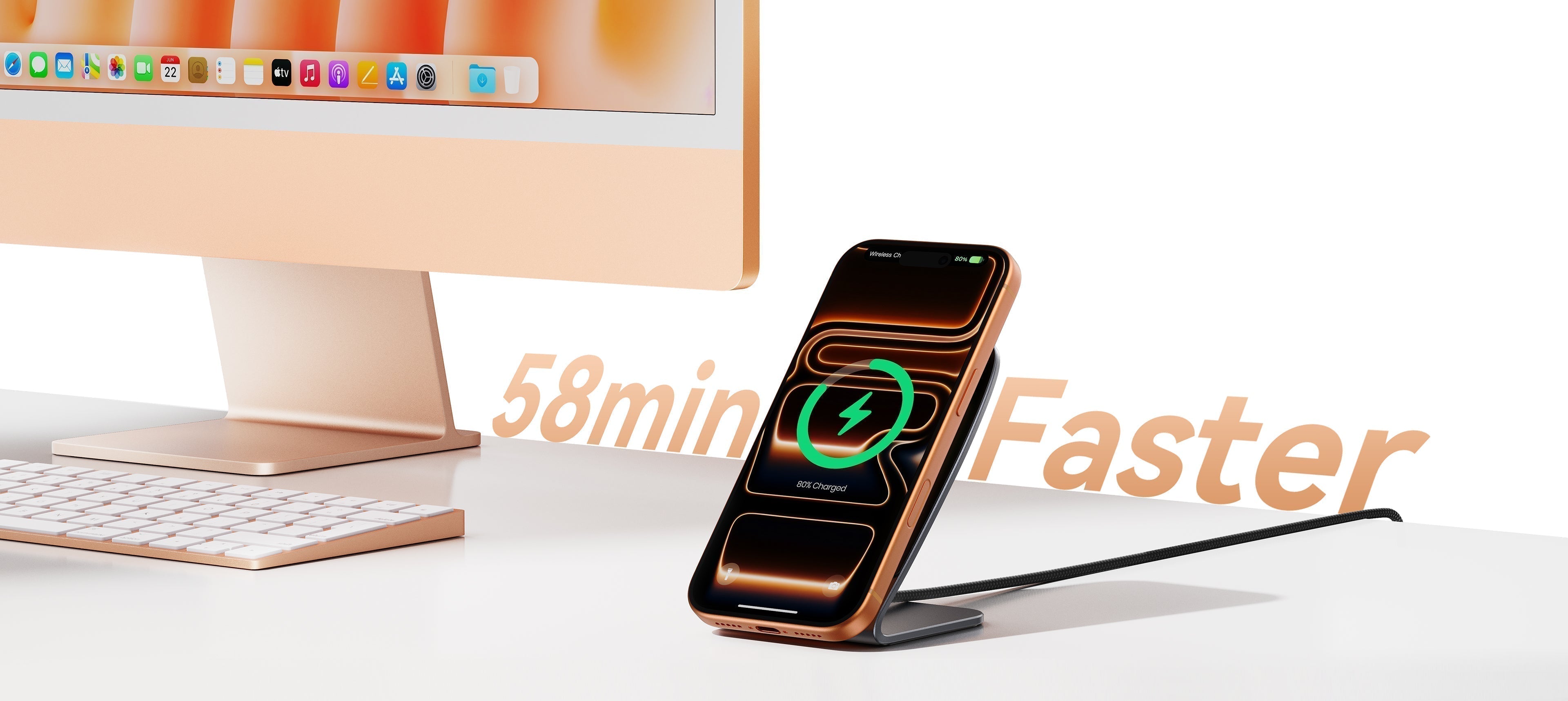
Charging performance is one of the most misunderstood aspects of wireless charging pads. Power output, measured in watts, directly influences charging speed, but it must be evaluated in context. A charging pad advertised as high-wattage may still under perform if that power is poorly distributed across multiple devices.
Lower wattage charging pads are suitable for overnight charging or light usage scenarios where speed is not critical. Mid-range options provide balanced performance for daily desk use, while higher-wattage solutions are designed to support fast charging for newer devices without interruption.
What differentiates premium multi-device charging pads is intelligent power distribution. Advanced models dynamically allocate power based on device requirements, ensuring that charging speeds remain stable even when all zones are in use. This approach not only improves efficiency but also reduces heat buildup, which is a key factor in preserving battery health.
From a strategic perspective, selecting a charger with sufficient overhead capacity ensures consistent performance today and resilience as device power demands increase over time.
Charging Zones, Coil Design, and Physical Layout

The physical layout of a wireless charging pad has a direct impact on usability. Multi-device charging pads are designed with distinct charging zones or overlapping coil systems that determine how easily devices align and charge effectively.
A well-designed layout allows devices to be placed naturally without excessive repositioning. Clear zone indicators, ergonomic spacing, and intelligent coil placement reduce alignment errors and ensure reliable charging initiation. This is particularly important in professional environments where speed and convenience are priorities.
Some charging pads adopt a flat, mat-style design that maximises flexibility and accommodates a variety of device sizes. Others use raised stands or angled surfaces that allow users to view notifications or interact with their devices while charging. Each approach serves different use cases, and the optimal choice depends on whether the charger is intended for a desk, bedside table, or shared workspace.
Ultimately, the layout should enhance, rather than disrupt, daily workflows.
Build Quality, Materials, and Thermal Management
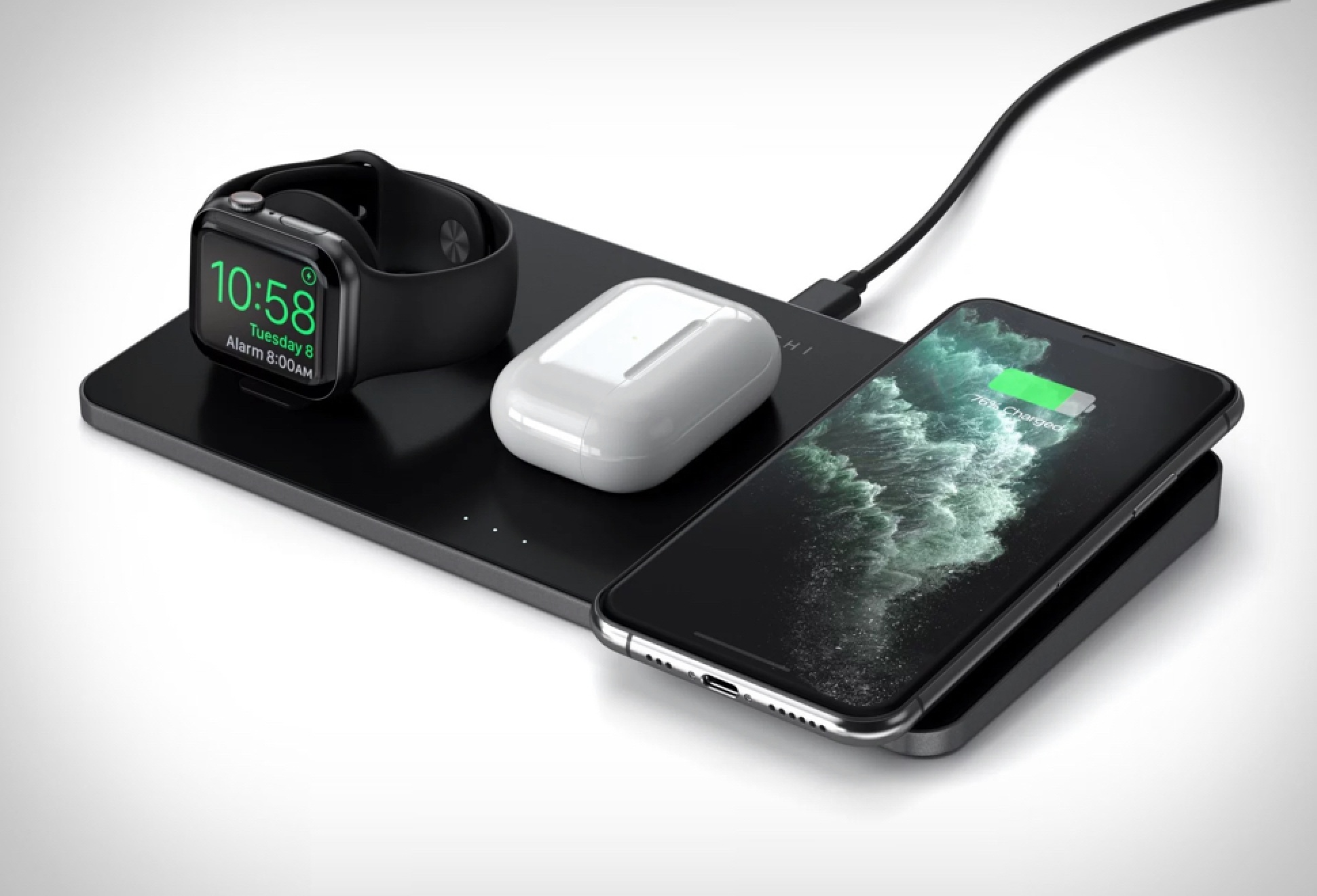
Build quality is a strong indicator of long-term reliability. Multi-device wireless charging pads operate under sustained electrical load, making material choice and thermal design critical considerations rather than aesthetic preferences.
Premium charging pads typically use aluminium alloy frames or reinforced internal structures that support effective heat dissipation. Charging surfaces are often finished with tempered glass or soft-touch coatings that resist wear while maintaining device stability. Non-slip bases further enhance safety by preventing movement during device placement.
Thermal management is especially important when charging multiple devices simultaneously. Excess heat not only reduces efficiency but can also shorten battery lifespan. High-quality charging pads integrate temperature monitoring, over-current protection, and foreign object detection to maintain safe operating conditions.
From a risk-management perspective, these safeguards protect both the user’s devices and the charging infrastructure itself.
Design, Aesthetics, and Workspace Integration

Wireless charging pads have evolved beyond purely functional tools and now play a role in workspace design. In professional and educational settings, visual coherence contributes to perceived organisation, credibility, and focus.
Minimalist designs with neutral colour palettes integrate seamlessly into modern desks without drawing unnecessary attention. Compact footprints preserve valuable workspace, while thoughtful cable management reduces visual noise. In shared environments, understated design ensures universal appeal and usability.
Selecting a charging pad that aligns with your workspace aesthetic reinforces a cohesive, intentional environment that supports productivity rather than distraction.
Power Input Requirements and Adapter Considerations
A common oversight in wireless charging adoption is underestimating input power requirements. Multi-device charging pads require sufficient input power to deliver stable output across all charging zones. Without it, performance is compromised regardless of the charger’s advertised capabilities.
Modern charging pads increasingly rely on USB-C input combined with Power Delivery or Quick Charge standards. This ensures efficient energy transfer and supports higher wattage demands. Some models include compatible adapters, while others require separate purchase.
From an operational standpoint, ensuring that the charging pad is paired with an appropriate power source is essential for achieving its intended performance.
Matching the Charger to Its Environment
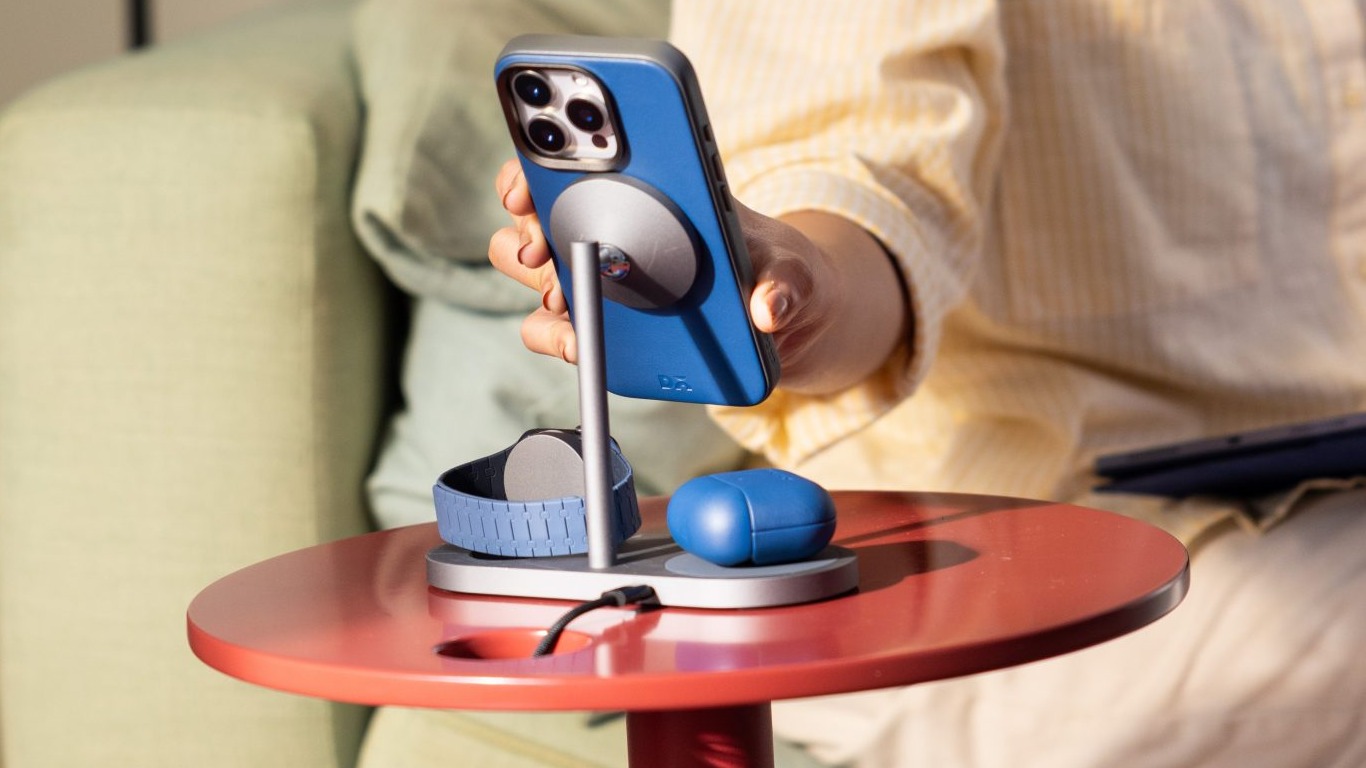
Context matters when selecting a multi-device wireless charging pad. A solution optimised for a bedside table may not perform well in a fast-paced office environment, and vice versa.
In home offices, visibility and accessibility are key. Angled designs that allow interaction during charging support productivity. In bedside settings, low-profile designs with subtle indicators prevent disruption. In shared or commercial spaces, durability, universal compatibility, and ease of use take priority.
Aligning the charging pad’s design and performance with its intended environment ensures maximum usability and satisfaction.
Cost, Value, and Long-Term ROI
Price alone is an insufficient metric when evaluating wireless charging pads. Long-term value is determined by reliability, safety, performance consistency, and future compatibility. Lower-cost options may deliver short-term savings but often introduce hidden costs through replacement, inefficiency, or device wear.
A well-engineered charging pad represents an infrastructure investment rather than a disposable accessory. When viewed through this lens, higher-quality solutions often deliver superior return on investment over time.
Common Mistakes to Avoid
Many users encounter avoidable issues due to rushed purchasing decisions. Selecting non-certified chargers, overlooking power input requirements, or prioritising appearance over thermal safety are common pitfalls. These mistakes typically result in inconsistent charging, reduced device lifespan, or premature product failure.
An informed, standards-driven approach mitigates these risks and ensures a more reliable outcome.
Conclusion: A Strategic Choice for a Connected Future
Choosing a wireless charging pad for multiple devices is a decision that intersects convenience, productivity, and long-term device management. By understanding your device ecosystem, prioritising certified standards, evaluating power and thermal performance, and aligning design with environment, you can select a solution that delivers sustained value.
As digital ecosystems continue to expand, a robust multi-device wireless charging pad becomes an essential component of a modern, efficient workspace. Making a strategic choice today positions you for seamless, cable-free power management well into the future.
0 comments